Inside Highland Park Luxury Home Pricing
February 19, 2026
February 19, 2026
Is one Highland Park home really worth millions more than a similar one down the street? If you have asked that while scrolling listings, you are not alone. Pricing at the top of the market can feel opaque, especially when two beautiful homes look alike at first glance. In this guide, you will learn the specific factors that move price in Highland Park and how professionals translate them into a clear range. Let’s dive in.
Highland Park sits just a few miles north of downtown Dallas with a long history of careful planning, parks, and tree‑lined boulevards. This combination, together with a very limited land base, is a core reason the area supports a concentrated luxury market. You see that legacy in its layout and public spaces, which continue to shape buyer demand today. For more on the town’s planning roots, review the Texas State Historical Association’s overview of Highland Park’s history and context.
Public portals regularly flag Highland Park as one of the region’s highest priced submarkets. Recent snapshots show a median listing price around 5.0 million and a median list price per square foot near 922. Zillow’s home value index, which uses a different model and time window, shows a typical value closer to 2.8 to 3.0 million. These differences are normal because each source measures something different, such as active listings, closed sales, or modeled indices.
Inventory at the top end is thin, which means medians can swing month to month. Off‑market and private sales also play a real role, especially for rare lots or custom estates. In short, always check what the number represents and ask which sales set the most relevant comps for your home or offer.
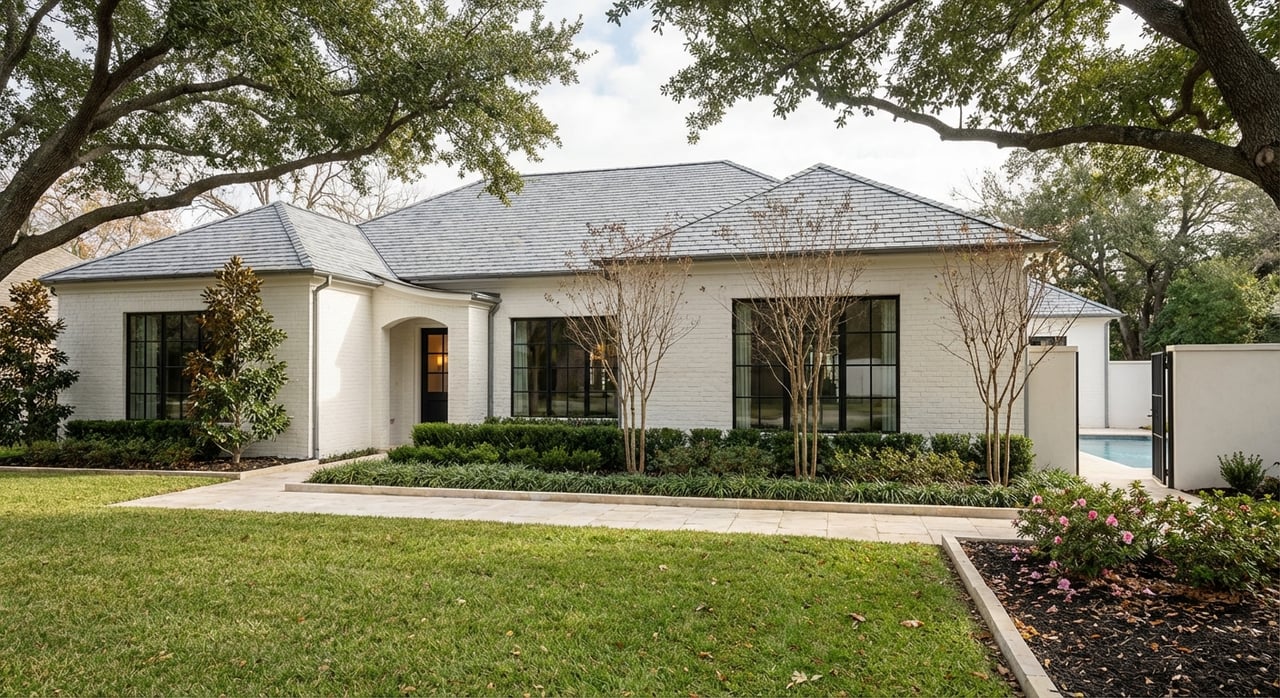
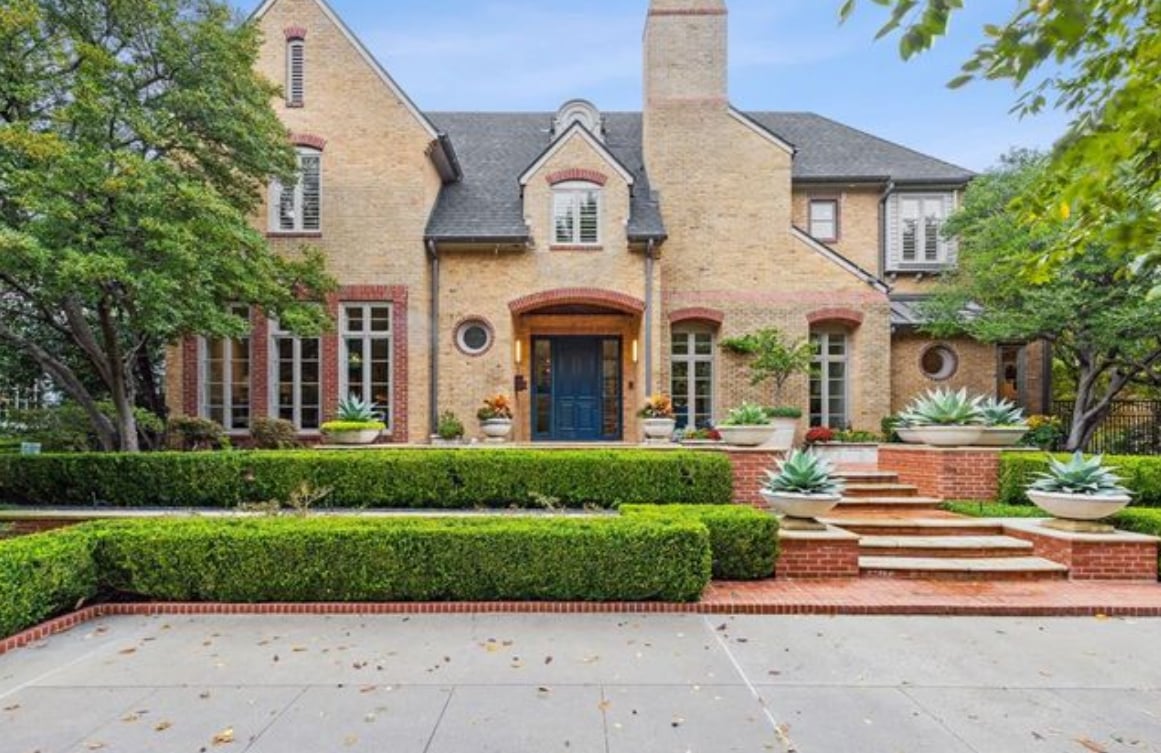
In Highland Park, the land often carries more weight than the house. Near‑acre parcels along coveted streets, lakeside settings, or parkway frontage can trade with a meaningful premium. When a rare site becomes available, it behaves less like a typical square‑foot comparison and more like a scarce asset. Professionals account for that with fixed‑dollar adjustments in a comp grid, not just price per square foot.
Documented design pedigree can move price. Highland Park includes notable homes recognized for architecture and planning, from early civic Spanish‑Colonial references to later landmark residences. When a home is attributed to a known architect or enjoys recognized historic significance, that provenance often commands an architectural premium. For background on the area’s architectural context, see the Society of Architectural Historians’ entry. Explore SAH Archipedia.
Luxury buyers here look for tasteful, comprehensive renovations and modern systems. Thoughtful kitchen and bath updates, new roofing and HVAC, and integrated smart‑home features help a property feel truly move‑in ready. National cost‑versus‑value research shows certain exterior and mid‑scope kitchen projects recoup a high share of cost, while highly customized luxury add‑ons can overcapitalize. See Zonda’s Cost vs. Value data.
Pools, roofed terraces, outdoor kitchens, guest quarters, and mature landscaping matter. Highland Park buyers prize privacy and outdoor entertaining, and they notice the difference between a basic yard and a resort‑caliber setting. As with interiors, professionals assign dollar adjustments for pools, guest houses, and significant landscape improvements based on local evidence.
Highland Park ISD remains a major draw for many buyers. Rankings from third‑party sites, such as Niche, consistently list HPISD among the top tier in Texas. View Niche’s HPISD rankings. Local tax conversations sometimes reference state recapture and HPISD bond programs, which can affect long‑term carrying cost perceptions. If you are evaluating tax and bond impacts, review the district’s current bond FAQ for neutral details. Read HPISD Bond 2024 FAQs.
A precise peer set is essential. For a lakeside or parkway property, the right comps may be limited to the same block or setting. For a new build on an interior lot, the peer set may be broader. Price per square foot is a quick screening tool, but it is not the final word for unique sites.
Recent closed sales carry the most weight. In a low‑inventory luxury market, professionals may also confirm private or off‑market sales to fill gaps. Actives and pendings help signal direction but should not replace recent sold evidence.
Adjustments reflect what buyers are actually paying for square footage, bedroom and bath count, lot size and setting, pool or guest house, kitchen and bath quality, significant systems like roof and HVAC, and any functional quirks. Best practice is to document how each adjustment was derived and to keep the logic consistent across the grid. For appraisal methodology fundamentals, the Assessors’ Handbook outlines sales comparison approaches and documentation standards. Review the handbook.
Once adjusted values point to a range, the listing strategy sets the tone. You can price competitively to drive activity or aim for a higher ask with a longer runway and richer marketing. In Highland Park, targeted outreach and discreet conversations can also surface buyers who value a specific micro‑location or lot.
A clear, well‑documented story helps your home earn its premium.
If you are preparing to write in Highland Park, do your homework and build a strategy.
Highland Park pricing is not a mystery once you break it into its parts. Land and micro‑location lead, architectural pedigree and renovation quality refine the number, and a disciplined comp process turns observations into a clear range. If you want a pricing memo that reflects both data and the nuance of your block, connect with a local expert who lives this market every day.
Ready to talk through your home or next move in Highland Park? Reach out to Darla Ripley for a discreet, data‑driven pricing strategy and white‑glove execution.
Stay up to date on the latest real estate trends.

October 1, 2026

September 24, 2026
September 17, 2026

September 10, 2026
September 3, 2026

August 27, 2026
August 20, 2026
August 13, 2026
August 13, 2026