Key Equestrian Property Features for Pilot Point Ranches
December 18, 2025
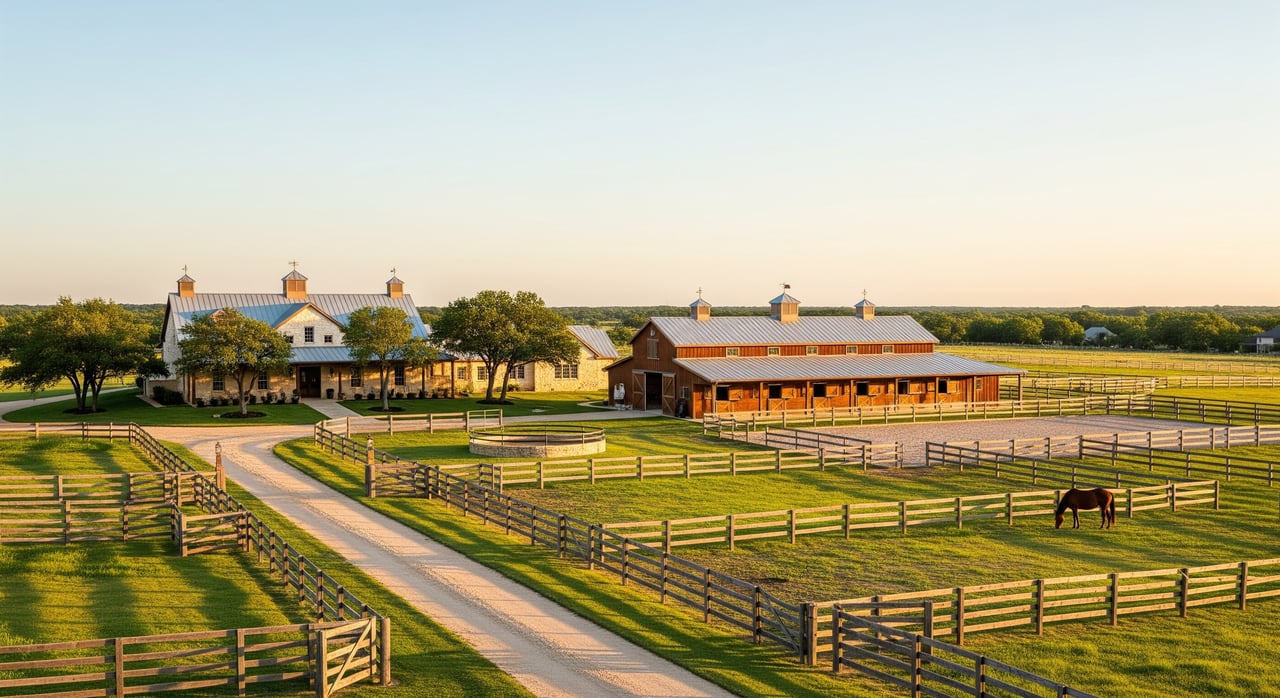
December 18, 2025
Dreaming of riding out your back gate in Pilot Point’s Horse Country, but not sure if a property is truly ranch-ready? You are not alone. North Texas has unique soils, weather, and trail access that can make or break day-to-day horse keeping. This guide breaks down the essentials you should confirm on any acreage so you can buy with confidence and enjoy more saddle time. Let’s dive in.
Buying in Pilot Point means planning for hot summers, variable rainfall, and the occasional hard freeze. Your facilities need to manage heat, shed water fast, and stand up to storms. Soils can shift within a few hundred feet, from sandy loam to heavy clay, which changes how arenas drain and how pastures perform.
Before you fall in love with a property, pull its soil map on the USDA NRCS Web Soil Survey. Sandy loam is more forgiving for arenas and paddocks. Heavier clay will likely require a stronger arena base, more drainage, and thoughtful placement of barns and gates to avoid mud.
An outdoor arena is only as good as its base and drainage. Look for a compacted base, a defined drainage layer, and a riding surface that is 2 to 4 inches of clean sand or a sand blend. In high-clay areas, a geotextile fabric and crushed stone sub-base help prevent waterlogging and rutting.
Orientation matters. A north–south long axis reduces sun glare in the mornings and evenings. Consider prevailing winds to reduce dust, and plan a 1 to 2 percent crown or gentle fall to move water off the surface. Common sizes range from 60 × 120 feet for small working arenas to 100 × 200 feet for most disciplines.
For deeper technical references on arena build and maintenance, explore Texas A&M AgriLife Extension equine facility guides.
You want a barn that is safe, airy, and efficient. Standard stall sizes run 10 × 10 feet for smaller horses and 12 × 12 feet for most riding horses, with 12 × 14 feet or larger for broodmares or stallions. Aisles of 10 to 12 feet allow safe passing with tack and equipment.
Ventilation is critical in North Texas humidity. Look for cross-ventilation, ridge vents or cupolas, and generous natural light. Keep hay and heavy electrical loads separated for fire safety, and include a concrete wash rack with proper drainage.
Horses need fencing that is easy to see and hard to get hurt on. Typical height is 4 to 5 feet using materials like board rail, pipe, or woven wire with a visibility top rail. Many owners add a single electric line to respect boundaries.
Avoid barbed wire in turnout areas. Plan cross-fencing so you can rest pastures, isolate a horse if needed, and rotate grazing. Gates should swing freely, latch securely, and include a breakaway or quick-release point.
Carrying capacity depends on pasture quality and rainfall. As a rule of thumb in North Texas, expect about 1.5 to 3 acres per horse on improved pasture under good management, and 3 to 6 or more acres per horse on native grass. Rotational grazing, soil testing, fertilization, and weed control can boost productivity and reduce mud.
Warm-season bermudagrass thrives in summer. Many owners overseed with cool-season ryegrass for winter nibbling. Plan for reliable water in every paddock, whether troughs or automatic waterers, and verify that pressure and flow can handle multiple horses plus household demand.
Heavy rains happen. Site barns and arenas on high, well-drained ground and avoid natural depressions. Use swales, French drains, and stable surfaces at gates and high-traffic lanes to limit mud and erosion.
Always check flood risk. Confirm status on the FEMA Flood Map Service Center. Even small draws can funnel runoff that degrades footing. Planting native vegetation in buffer areas helps protect streams that feed Ray Roberts Lake.
A functional ranch depends on dependable utilities. For wells, verify depth, yield in gallons per minute, and basic water quality. Confirm pump sizing for the combined demand of the home, wash rack, and waterers. For neutral information on Texas groundwater and well resources, visit the Texas Water Development Board.
Septic systems must be sized for the home and any barn wash-down that enters the system. Ask for permits and as-builts, and consult a licensed professional if you plan changes. In barns, confirm safe electrical runs, GFCI outlets near water, and capacity for fans and lighting.
Pilot Point addresses can fall inside city limits or in unincorporated Denton County. Rules for outbuildings, livestock counts, setbacks, wells, and septic differ by jurisdiction. If the property is outside city limits, start with Denton County Development Services for septic and building guidance.
Many ranchette subdivisions have deed restrictions or HOAs that limit the number of animals, the size and placement of barns, or commercial boarding. Ask for recorded covenants before you make plans.
If trail riding is part of your lifestyle, proximity to Ray Roberts Lake is a major perk. Each unit varies in rules and trailer capacity, and some areas have seasonal closures. Review current access details on Texas Parks and Wildlife’s Ray Roberts Lake State Park page.
At the property, measure your driveway, gate width, turning radius, and tree clearance for your longest rig. Scout the approach on nearby county roads for narrow bridges or tight intersections. When possible, do a dry run to the trailhead with your trailer before closing.
Put the barn and arena on the highest, driest ground. Align the barn to catch summer breezes, and place hay storage downwind and away from stalls for fire safety. Use contours for lanes and pens to reduce cut-and-fill and to direct water away from work areas.
Keep high-traffic gates on gravel or other stable surfaces. Plan sacrifice paddocks for wet periods so you can protect your best forage. Small placement choices now can save thousands in repairs later.
Use this shortlist during showings and inspections:
Choosing acreage in Pilot Point is about more than bedrooms and baths. It is about everyday function for you and your horses, access to the lifestyle you love, and smart planning that protects your investment. If you want a sounding board with equine and North Texas facility experience, reach out to Darla Ripley. Let’s connect, walk the land, and make a clear plan for a property that is truly ranch-ready.
Stay up to date on the latest real estate trends.
April 2, 2026
March 24, 2026
March 5, 2026
February 19, 2026

February 5, 2026

January 15, 2026
January 1, 2026
December 18, 2025

December 4, 2025