Choosing Preston Hollow New vs Existing Homes
March 24, 2026
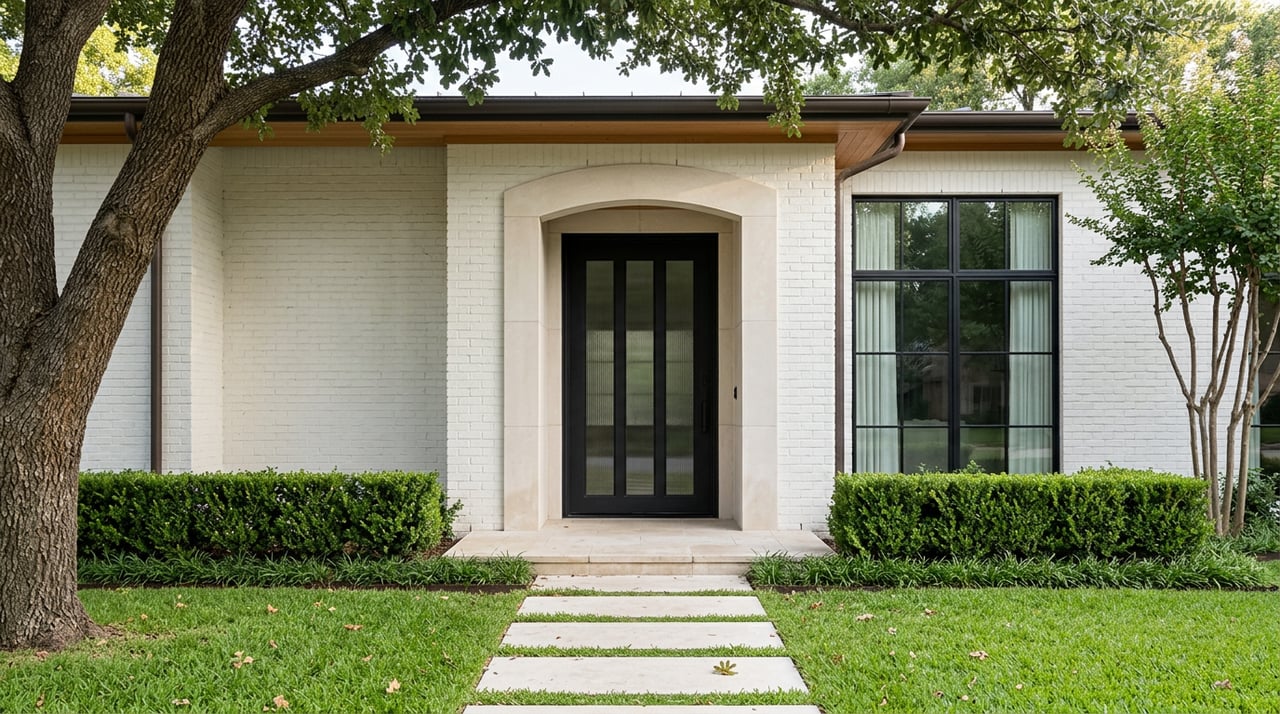
March 24, 2026
Torn between the allure of a magazine-worthy new build and the character of a classic Preston Hollow estate? You are not alone. In this north Dallas enclave, the right choice often comes down to the lot, the timeline you want, and how you plan to live in the home. This guide gives you a clear, Preston Hollow-specific way to compare options, check the site, and run the math with confidence. Let’s dive in.
Preston Hollow sits in north Dallas, roughly bounded by Royal Lane to the north, Midway to the west, Northwest Highway to the south, and Hillcrest to the east. The neighborhood spans pockets like Old Preston Hollow, Preston Hollow North, and Preston Hollow East, with pricing that varies by block and lot size. Recent neighborhood reports show median sale and list prices around the low $2 million range, with median price per square foot in the $400 to $500 range. Use these as context and rely on address-level comps when you are evaluating a specific property.
Preston Hollow gives you two distinct choices that both deliver luxury, just in different ways. Understanding how each plays out on these lots will help you buy with clarity.
Classic estates often sit on large parcels, including half-acre to 1-plus acre lots, especially in Old Preston Hollow. You will see mature tree canopy, traditional masonry, and period details that create instant presence and long-term appeal. Many tracts include deed restrictions or architectural controls that guide what you can change on the exterior or lot, so you will want to review the recorded rules early using the Preston Hollow HOA deed restrictions. Local reporting highlights how these legacy lots carry a durable premium for setting and privacy, especially in estate pockets of Old Preston Hollow (D Magazine estate example).
New construction typically arrives as teardown-and-rebuild or infill custom/spec homes. You will find contemporary or transitional architecture, tall ceilings, larger kitchen and living zones, integrated smart systems, and higher-efficiency envelopes. Many new homes can pursue third-party energy certifications. The ENERGY STAR New Homes program outlines measurable comfort and utility benefits that can translate to lower operating costs and strong resale signaling.
In Preston Hollow, the lot is often the primary asset. Big, deep parcels with privacy and mature trees are rare in the city and tend to hold value. That is why your first step should be a site study to confirm what you can build, what you must preserve, and which soft costs might surprise you.
Key checks to run early:
A thoughtful comparison balances land value, build or renovation costs, and likely resale. Construction budgets in North Texas vary widely by scope and finish, but local builder guidance places custom work in the hundreds per square foot. For a high-level starting point, review ranges in this DFW custom homes cost overview. In Preston Hollow, neighborhood-level price per square foot commonly sits above the metro average, often in the $400 to $500 range, reflecting both lot and finish premiums.
When you model a teardown and rebuild, include all soft costs and carry:
Compare that total to recent finished sales in the same pocket. If your land plus build math delivers a clear margin to market value, a rebuild can be compelling. If not, a sensitive renovation that preserves character may be the smarter path.
Older Preston Hollow estates often shine with original materials and craftsmanship, but systems may need modernization. For homes built before 1978, the EPA’s Renovation, Repair and Painting rule applies, which means contractors must use lead-safe practices. Review the homeowner guide to the EPA RRP program so you can plan timeline and scope correctly.
City processes also shape schedules. Dallas requires specific documents for demolition and new construction, and complex projects can involve multiple departments. Plan for multiple review cycles and be conservative with buffers. As a general frame, custom teardown-to-new-certificate timelines commonly range from 12 to 24 months start to finish, while simpler builds can complete faster once permits are in hand. See this practical breakdown of build steps and durations from AmeriSave’s guide to sense order of magnitude.
Modern Preston Hollow builds usually include tighter building envelopes, zoned HVAC, advanced insulation, and smart controls. These translate to comfort and lower utility use. If energy performance is a priority, ask builders about certification paths like ENERGY STAR New Homes. Certification can provide documentation of performance and may support resale.
Texas property taxes are a meaningful holding cost. In Dallas County, you pay a combined rate across multiple entities, and the effective rate can exceed 2 percent of taxable value depending on the parcel. Review this local overview of Dallas County property tax entities and rates and confirm the exact rate and exemptions on the parcel you are buying.
Flood and stormwater risk vary by block. Always check the FEMA Flood Map Service Center for the address, and ask for any local drainage history. Flood zone status can affect insurance, design, and grading feasibility.
Use this practical checklist to choose your path with confidence:
Advisor document checklist:
Classic estates: pros
Classic estates: cons
New builds: pros
New builds: cons
If you prize history, presence, and a one-of-a-kind setting, a classic Preston Hollow estate may be ideal. If you want modern flow, energy performance, and low maintenance, a new build can deliver on day one. Either path works in this neighborhood when the lot, budget, and timeline align. A seasoned advisor can help you vet deed restrictions, tree rules, and costs, then position you for a confident purchase or a strategic pre-sale renovation.
When you are ready to talk options, from buyer representation to listing strategy, remodeling coordination, staging, or Compass Concierge and Bridge Loan solutions, reach out to Darla Ripley. You will get clear guidance, discreet execution, and a plan tailored to your goals in Preston Hollow.
Stay up to date on the latest real estate trends.
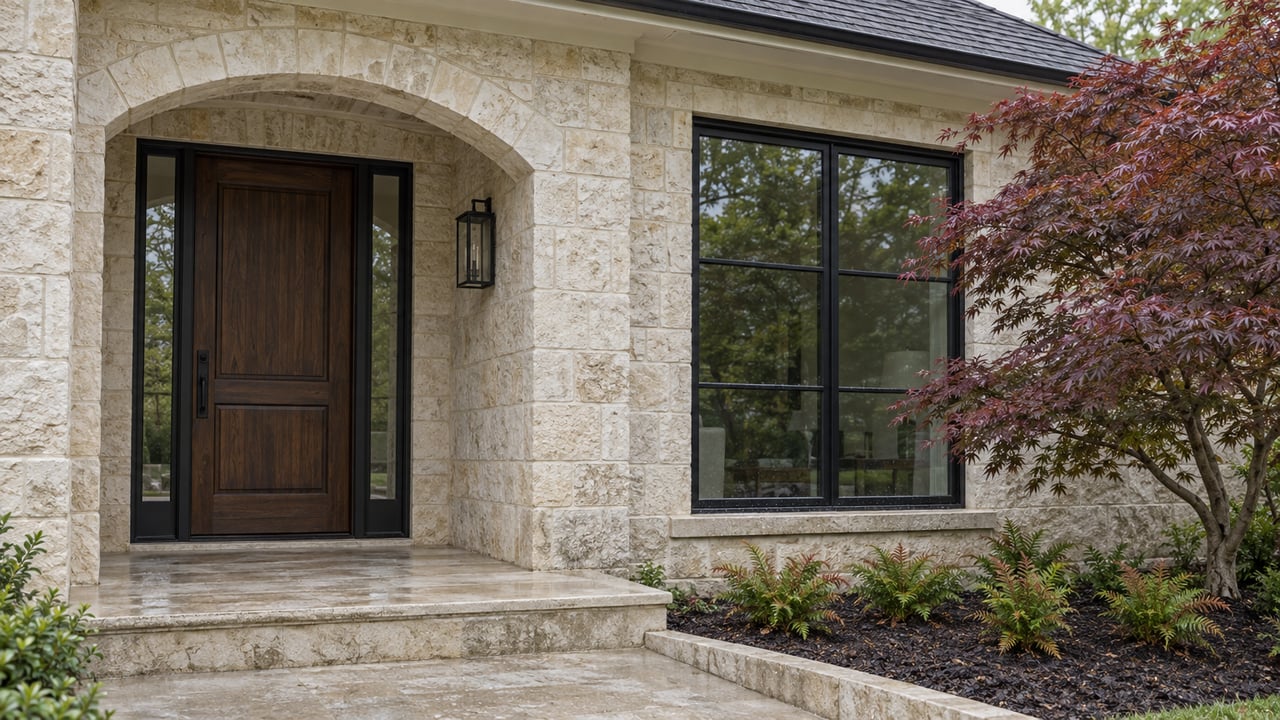
October 22, 2026
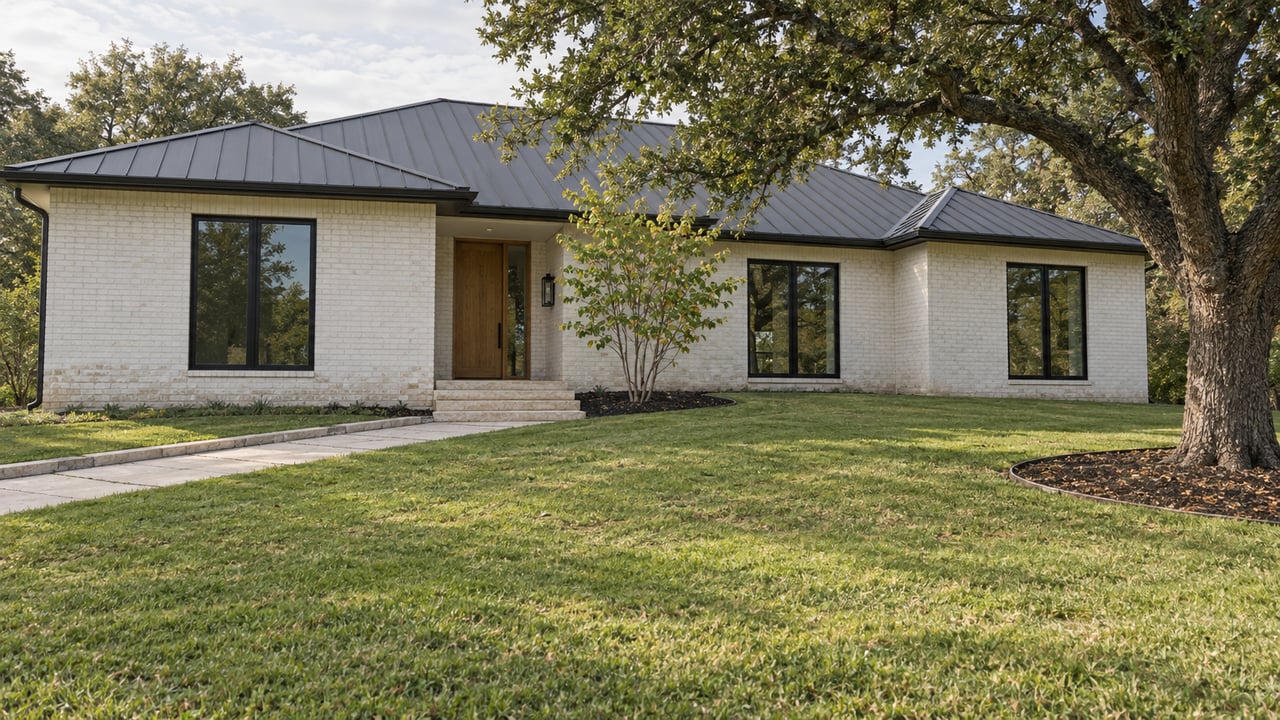
October 15, 2026

October 1, 2026

September 24, 2026

September 17, 2026

September 10, 2026

September 3, 2026

August 27, 2026
August 20, 2026