A Design-Lover’s Guide to Bluffview in Dallas
April 2, 2026
April 2, 2026
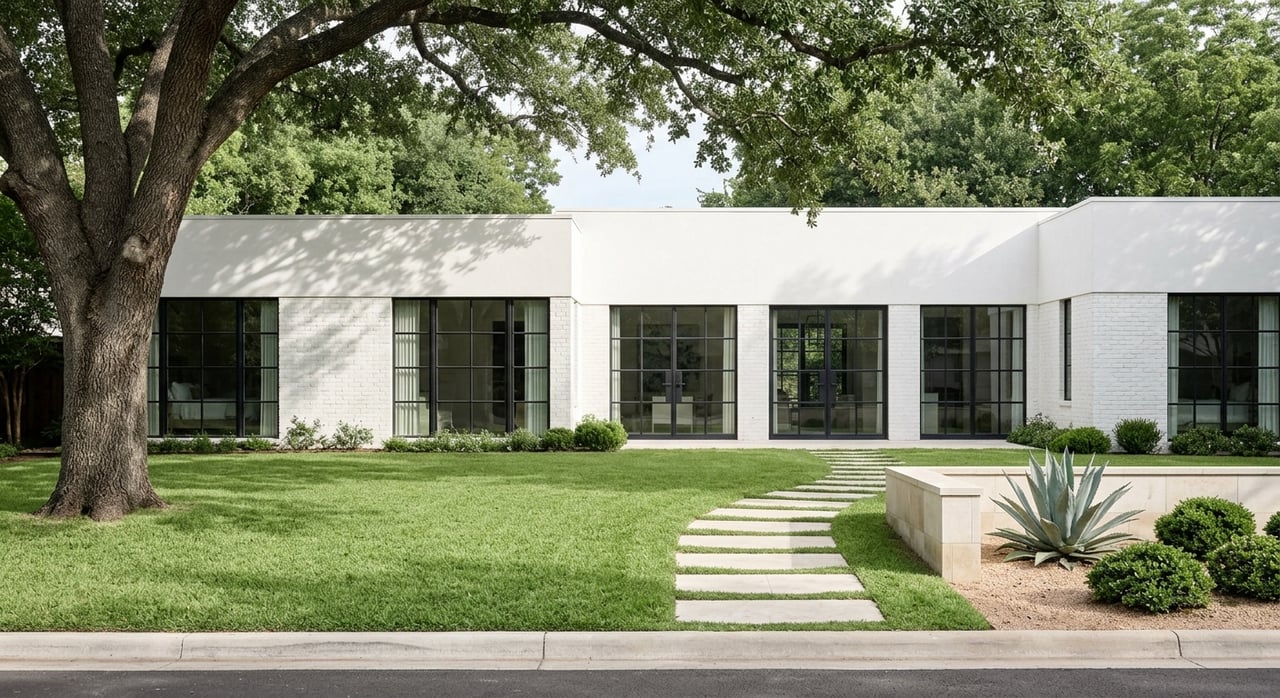
If you care as much about how a home sits on the land as how it looks from the street, Bluffview is easy to understand. This Dallas neighborhood has long drawn buyers who appreciate mature trees, winding roads, and homes shaped by the terrain instead of forced onto a flat grid. If you are curious why Bluffview feels so distinct, this guide will walk you through the setting, architecture, and everyday appeal that make it stand out. Let’s dive in.
Bluffview’s identity begins with its natural setting. According to Preservation Dallas, the original Bluffview Estates opened in 1924 on a former 215-acre dairy farm and was laid out along a 60-foot bluff above Bachman Creek. From the beginning, the neighborhood was designed to preserve the site’s mature trees, winding creek corridors, and irregular topography.
That choice still shapes how Bluffview feels today. Instead of a rigid suburban pattern, you find curving streets, varied lots, and a landscape that creates a quieter, more tucked-away atmosphere. For design-minded buyers, that kind of setting often feels far more memorable than a neighborhood built on repetition.
One of the biggest reasons design lovers flock to Bluffview is that the homes respond to the land. Preservation Dallas notes that early builders such as Harre Bernet and Ralph Bryan worked with odd-shaped lots to accommodate the trees and topography. The same source also highlights the neighborhood’s connection to noted architects including Charles Dilbeck and O’Neil Ford.
That history gives Bluffview a design language rooted in site-specific thinking. Homes here are not defined by one formula or a single era. Instead, the neighborhood reflects an ongoing conversation between architecture and landscape.
If you prefer neighborhoods with visual variety, Bluffview offers that in a meaningful way. D Magazine’s neighborhood profile describes the area as a mix of modern, midcentury, and renovated homes, creating a layered character rather than a uniform streetscape.
That variety matters because it gives buyers more than one design path. You may be drawn to a midcentury property with clean lines, a thoughtfully updated residence, or a home influenced by earlier Dallas architectural traditions. In Bluffview, the appeal often comes from that sense of individuality.
Bluffview is close to major Dallas destinations, yet it often feels removed from the city’s faster pace. D Magazine describes the neighborhood as having shaded, winding streets and a countryside feel, even with proximity to Love Field and a relatively short commute to downtown Dallas.
That balance is rare. The preserved tree canopy, irregular street pattern, and low-key residential layout all contribute to a sense of privacy. If you value a neighborhood that feels established and visually calm without giving up central access, Bluffview has a compelling case.
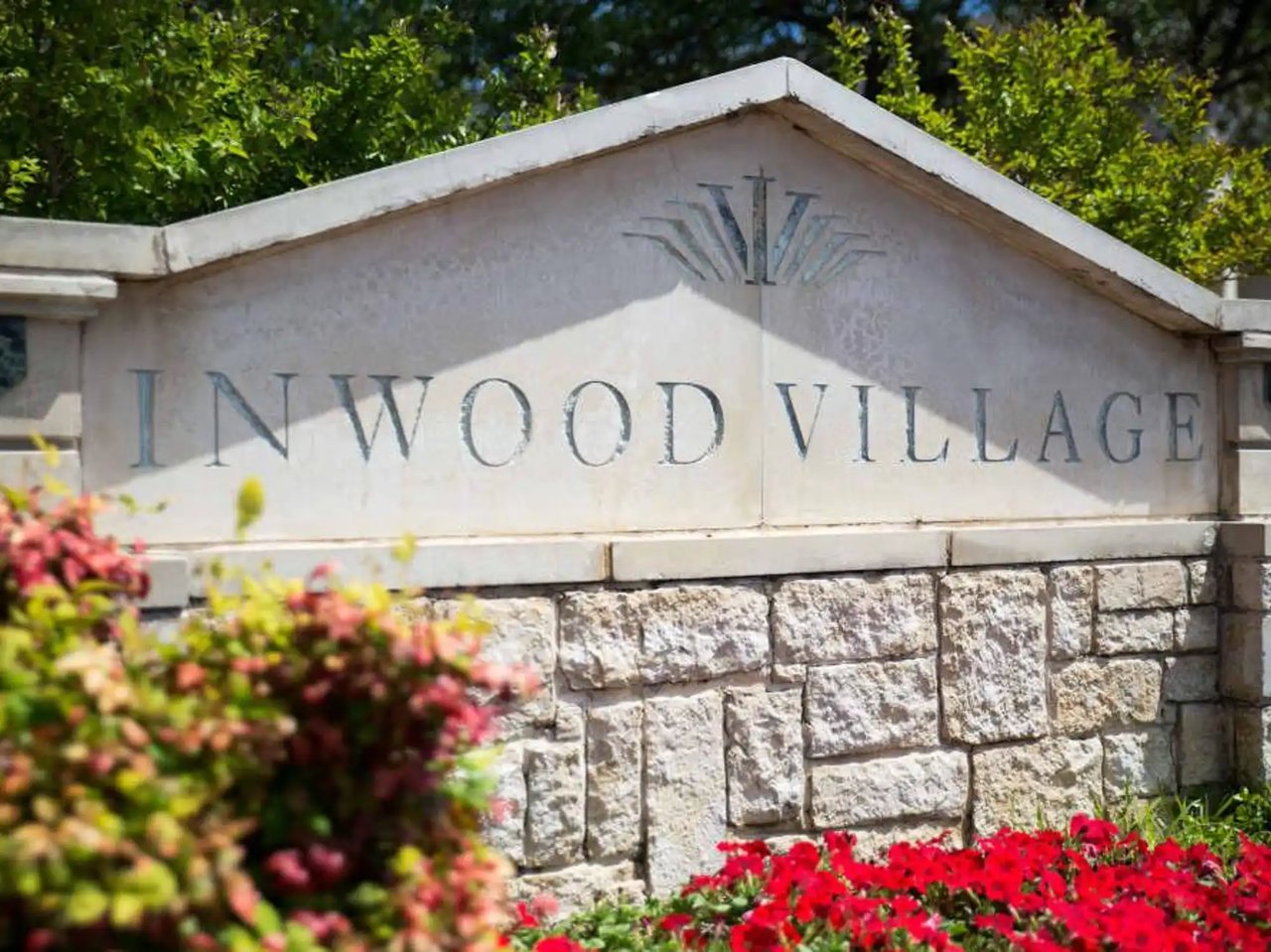
A beautiful neighborhood also has to work in daily life. For Bluffview residents, Inwood Village is one of the most relevant nearby anchors. Its official site notes that the center has served Dallas since 1945 and includes individually owned stores, local restaurants, boutiques, and historic art deco architecture.
That nearby amenity adds to Bluffview’s appeal in a practical way. You can enjoy a residential setting while still having a local mix of shopping and dining close at hand. It supports the neighborhood’s village-like feel without changing its residential character.
Another local point of interest is the Inwood Theatre, which Inwood Village describes as a Dallas landmark that opened in 1947 and was restored in 2005. Its murals and art deco character have made it a memorable part of the area’s identity for decades.
For buyers who value places with visual and cultural texture, that matters. Neighborhood appeal is not only about individual homes. It is also about the surrounding places that give an area continuity and a sense of story.
Beyond its design appeal, Bluffview also stands out as an established residential area with long-term ownership patterns. D Magazine estimates the 2023 population at 3,912, with 72.4% of homes classified as detached single-family houses.
The same profile estimates a median owner-occupied home value of $814,500 and a median year built of 1968. It also reports an average length of residency among owner-occupied homes of 13 years and an average commute time of 22 minutes. Together, those figures suggest a neighborhood with staying power, established housing stock, and lasting appeal.
Bluffview is especially attractive if you look at real estate through both a design and lifestyle lens. It tends to appeal to buyers who notice how a street unfolds, how mature landscaping frames a home, and how architecture interacts with lot shape and elevation.
In practical terms, that can mean buyers who want character over sameness and setting over spectacle. D Magazine notes that Bluffview’s homes are not ostentatious, which helps explain why the neighborhood resonates with people who appreciate understated design rather than showy uniformity.
If you are considering Bluffview, it helps to look beyond square footage and finish selections. The neighborhood often reveals its value in more subtle ways.
Pay attention to:
For many buyers, these are the details that separate a home that is simply attractive from one that feels deeply considered.
Some neighborhoods are popular because they are new. Bluffview’s appeal is different. It comes from a combination of preserved landscape, architectural variety, and a location that feels secluded while remaining connected to the city.
That enduring appeal is part of what makes Bluffview special in Dallas. Its history, topography, and built environment create a neighborhood experience that is hard to duplicate. For buyers who value design, Bluffview offers more than beautiful homes. It offers a setting that gives architecture room to matter.
If you are exploring Bluffview or comparing Dallas neighborhoods with strong architectural character, Darla Ripley offers thoughtful, high-touch guidance grounded in local knowledge and a deep appreciation for homes with lasting design value.
Stay up to date on the latest real estate trends.
October 22, 2026
October 15, 2026
October 1, 2026
September 24, 2026
September 17, 2026
September 10, 2026
September 3, 2026

August 27, 2026
August 20, 2026