University Park's Teardown Math: Why the House on the Lot Barely Moves the Price
August 13, 2026
August 13, 2026
"How much should I offer for a University Park home that needs work?"
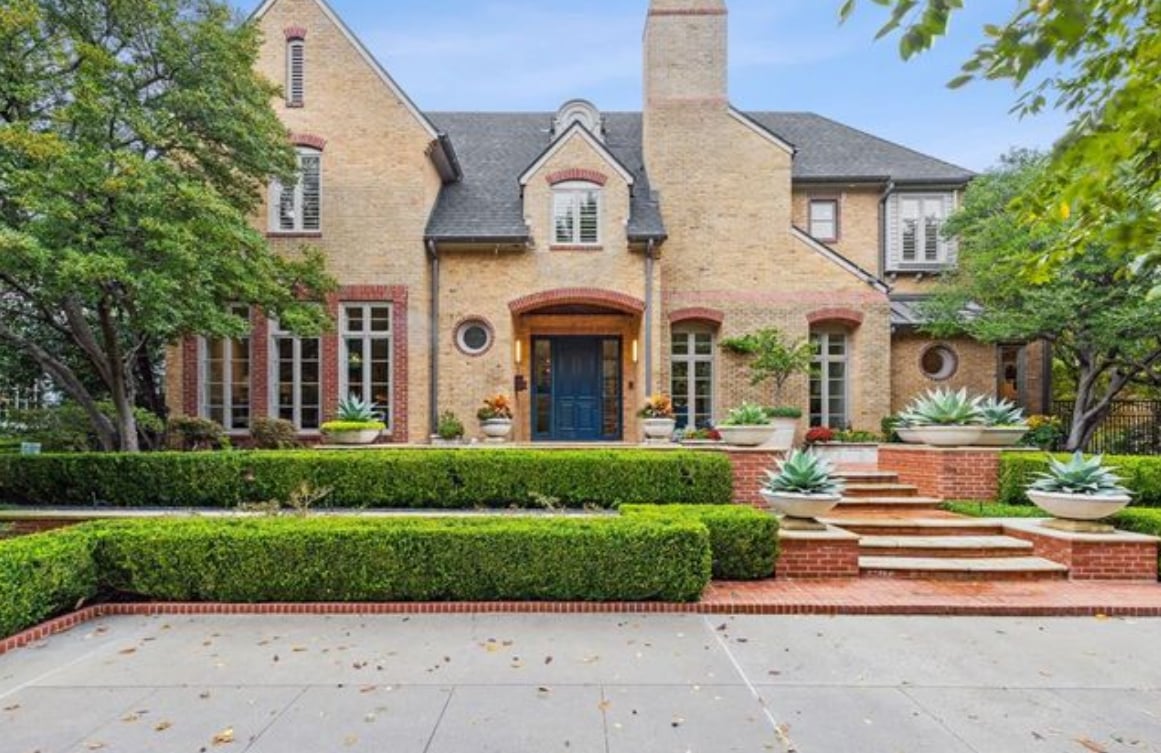
It's the question nearly every buyer touring the Park Cities arrives with, and in most Dallas neighborhoods it's the right one to ask. In University Park, it's close to the wrong question entirely. It assumes the value sits in the house. The city's own permit records say otherwise.
In 2024, University Park issued 67 permits for brand-new houses and 78 for remodels and additions, according to the city's 2024-2025 annual report. That's close enough to even money that condition alone barely tips the scale between tearing down and staying put.
A near coin flip between rebuild and renovate only makes sense if the structure itself isn't carrying much of the price. Somewhere between a 1930s Tudor with original leaded glass and a gutted 1960s ranch, University Park stopped pricing the house and started pricing the ground it sits on.
Walk two blocks in University Park and you'll pass prewar homes standing next to full rebuilds finished within the last year or two, often on lots that would command roughly the same number if they came on the market tomorrow. That's not an accident of taste. It's what happens when land, not structure, carries the price.
As of July 2026, the average University Park home was trading around $3.29 million, at roughly $704 per square foot, with the median sale near $2.995 million in June. Prices over the three months ending in May ran about 4.5% ahead of the same stretch a year earlier.
Days on market is where the story gets interesting, and where it gets murky. Some trackers put the average around 23 days in the run-up to mid-2026, down from 41 days the year before. Others, citing different months or medians instead of averages, land anywhere from 16 days into the 50s. That spread isn't a sign the market can't make up its mind. It's a sign that in a market this thin, on lots this individually priced, a single well-located teardown candidate or a single stale listing can swing an average by weeks. The number that should concern a buyer isn't the headline days-on-market figure. It's whether the specific lot they're chasing is the kind that moves in three weeks or the kind that sits for three months, and that distinction runs through land, not paint color.
Here's where the coin flip in the permit data stops looking like indecision and starts looking like arithmetic.
Project type | Typical cost (excluding land) |
|---|---|
Cosmetic to moderate update on 1950s-60s stock | $100 to $250 per sq ft |
Full gut renovation | $250 to $400+ per sq ft |
New construction (teardown and rebuild) | $350 to $600+ per sq ft |
Notice where the full-gut ceiling and the new-construction floor sit almost on top of each other. Once a remodel gets serious enough to touch plumbing, electrical, and foundation work, the last dollars spent saving the existing house start costing close to what building a new one would cost anyway. At that point the decision to renovate or rebuild has less to do with money saved and more to do with whether the footprint, orientation, and setback of the existing lot are worth preserving. In a city where the ground underneath is the asset, that's a land question dressed up as a house question.
University Park is one municipality, but it isn't one market. Walk from block to block and the land-value math shifts even where the square footage looks similar on paper.
A buyer comparing two similarly priced listings in different corners of University Park isn't really comparing two houses. They're comparing two different bets on what the ground underneath will be worth in five or ten years, with the house mostly along for the ride.
If land value is the real asset in University Park, civic investment in a given corridor is one of the clearest early signals of where that value is headed.
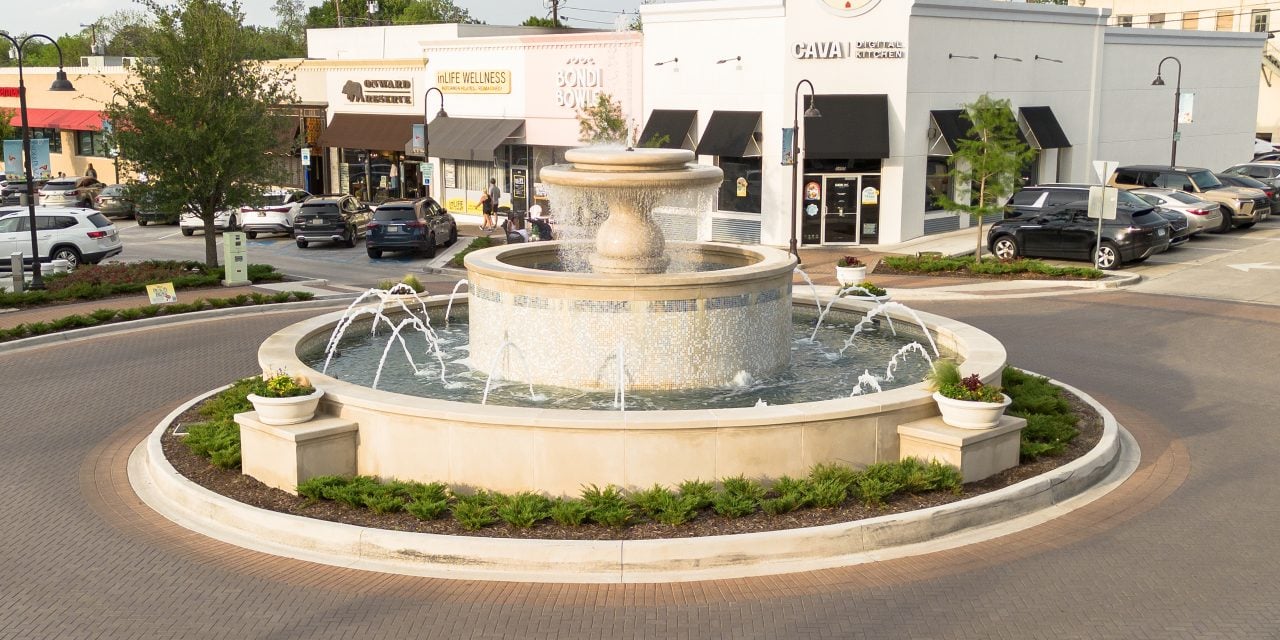
Snider Plaza, the retail strip at Hillcrest and Lovers Lane that has anchored University Park for nearly a century, has been the subject of a multi-year public reinvestment. The city's surface improvements project, covering new sidewalks, streets, plantings, and a rebuilt fountain, began construction in May 2024, with the city separately spending close to $4 million to acquire adjacent property on Rankin Avenue for parking. This spring, on May 19, 2026, the University Park City Council approved a new Public Improvement District for the Plaza, assessing property owners there $0.15 per $100 of valuation to fund employee parking and long-term upkeep starting January 1, 2027. City estimates put first-year collections at roughly $194,000, with a public hearing on the assessment expected before September.
None of that reads as dramatic news on its own. But for a buyer weighing land value block by block, sustained public spending on a corridor's infrastructure and parking is exactly the kind of quiet signal that supports prices on the residential streets feeding into it, long after the sidewalk crews have packed up.
One more piece of the math rarely shows up until a buyer is already under contract on a teardown candidate. Since January 1, 2025, University Park has required a mandatory completeness-review meeting between the applicant and the Building Permit Office before a rebuild application even enters formal review, a step meant to catch missing documentation before it stalls the process later. Unlike Highland Park, which routes new construction through a Zoning Commission for architectural compatibility, University Park has no formal design review board, which gives owners more design freedom but doesn't shorten the runway. A teardown-to-move-in timeline of 18 to 24 months is typical either way, and that stretch of vacant carrying costs, permit fees, and temporary housing is part of what a buyer is really pricing in when they choose the rebuild side of the coin flip.
Does University Park require design review for a teardown? No formal architectural review board exists, unlike in neighboring Highland Park. Standard building codes and setback requirements still apply, and since January 2025 all permit applications go through a mandatory completeness-review meeting before formal review begins.
How long does a teardown project actually take? Budget 18 to 24 months from the day a lot closes to the day you move in, covering architecture, permitting, and construction. Most buyers need a temporary housing plan for that stretch.
Why do days-on-market figures for University Park vary so much depending on where you look? Different trackers pull different months and use medians instead of averages, and in a market with relatively few sales, one or two unusual listings can swing the number noticeably. Treat any single days-on-market figure as a starting point for a conversation, not the whole answer.
If you're trying to work out whether your University Park home is worth more as it stands or as a lot waiting for its next chapter, that's exactly the kind of question a current, block-specific valuation answers better than a citywide average ever could. Darla Chapman Ripley has spent decades reading Park Cities lots the way appraisers read soil, and would welcome the chance to walk yours with you. Let's Connect.
Stay up to date on the latest real estate trends.

October 1, 2026

September 24, 2026

September 17, 2026

September 10, 2026
September 3, 2026

August 27, 2026
August 20, 2026
August 13, 2026
August 13, 2026